Keywords: vegetables, children’s nutrition, family dinner, healthy kids, parenting, mealtime, kids veggies
Dinner with kids can be a challenge. Eating with my four and seven-year-olds often feels like a masterclass in human emotion. Never, not once, have my children eaten their dinner without providing unfiltered feedback about the food; usually something like “GROSS! I don’t like this dinner!”.
Sound familiar?
Unfortunately, I am not a magician and cannot offer a solution for the mayhem of parenthood. However, I can offer five research-based, parent-tested strategies to help kids learn to eat their vegetables, and maybe even like them.
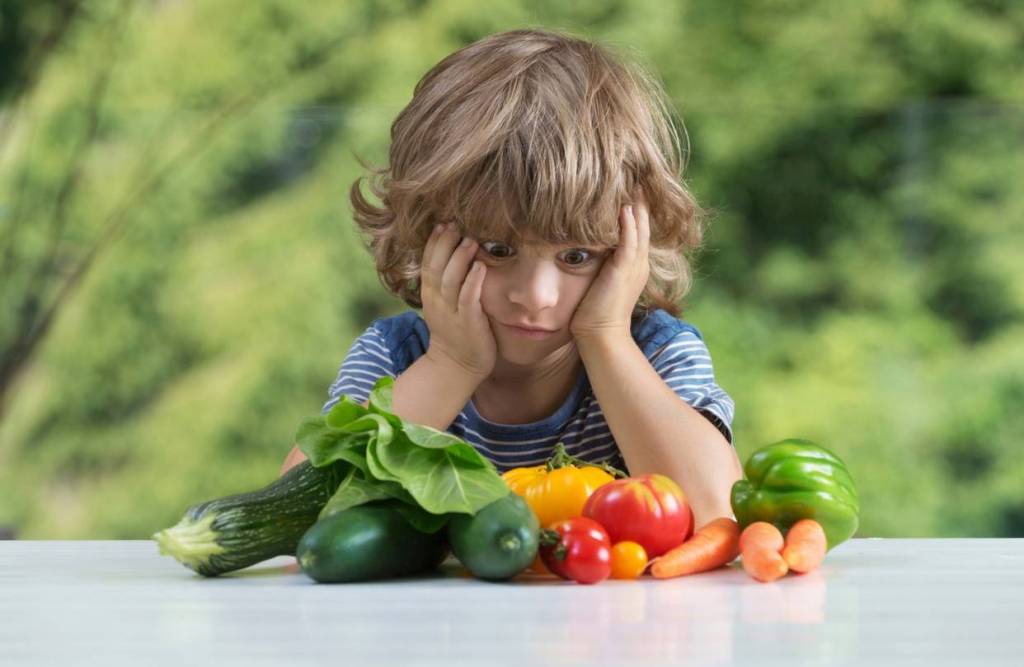
Figure 1 – Retrieved from https://www.wsj.com/articles/heres-why-you-should-pay-your-children-to-eat-their-vegetables
1. Get Kids Involved in Grocery Shopping
Key Takeaway: The more involved children are in shopping for and preparing vegetables, the less fussy they are when eating them (Broad et al., 2021).
Humans are programmed to be wary of foods they don’t recognize. Our ancestors survived by not eating everything in sight, and we are still much more likely to eat foods familiar to us. The process of becoming acquainted with different foods starts in the grocery store. Next time you go shopping, bring your kids to the store and introduce them to some vegetables. Walk around the store’s produce section, allowing kids to use as many of their senses as possible to explore. Turn it into a game and introduce your kids to the vegetables like they are old friends. My daughter tried eggplant for the first time because I referred to them as wearing “purple velvet suits.” The point is to help your kiddos feel comfortable around vegetables, so do that in whatever fun way feels right for you.
Try this today: Walk with your child around the produce section and ask them to pick out one vegetable for each color of the rainbow. Talk about the ones they picked.
2. Involve Children in Veggie Prep
Key Takeaway: There are many age-appropriate ways to involve children in veggie prep. The payoff is less fuss and more willingness to eat.

Figure 2: Retrieved from https://stonewalldaycarecenter.com/keep-kids-busy-summer/kid-mom-cooking/
Full disclosure, this one is hard for me. I wish I were one of those moms you see in photos (like the one above) who patiently and happily cooks with her children. I am not that mom. Cooking with my kids can feel more frustrating and tedious than enjoyable and rewarding. However, it is hard to argue with the extensive research showing that children are more likely to eat foods they have helped to prepare (Ritchie et al., 2015). When I am at a loss, I refer to this quick and easy handout to remind me what age-appropriate tasks my kids can help with. My four-year-old washes all the produce. It allows him to play in the water and is a meaningful way for him to interact with vegetables in the prep stage. Kids don’t need to be involved in every meal for this to work, just as long as they are routinely and consistently included. A study of preschoolers who cooked with a parent four times a week for four weeks showed a significant increase in willingness to try vegetables with a substantial decrease in fussiness (Garcia et al., 2020). If you are fresh out of inspiration, check out the USDA’s “Kids in the Kitchen” website for recipes and activities.
Try this today: Together with your child, peel and cut up a bunch of carrots and put them in the fridge for snacking. For whatever steps the child isn’t old enough to participate in, explain what you are doing so they still feel involved.
3. If At First You Don’t Succeed…Try It a Different Way
Key Takeaway – Sometimes vegetables are delicious, and sometimes they’re not. It depends on how they are prepared.
Your kids may not like a vegetable the first time they try it. Maybe it tastes different than expected, the texture throws them off, or they don’t like the seasoning. That does not mean they don’t like the vegetable; that means they don’t like it right now. Not YET. Try it again at another dinner but prepare it differently. My children LOVE brussels sprouts, but only if they are roasted in the oven. If I steam or boil them, they won’t touch them because they think they smell like feet. Honestly, they’re not wrong.
It helps to treat this as a fun experiment. Ask your kids to be taste detectives. What do they like or not like? Is it because they can’t stand the smell? Was it too mushy or crunchy? Too spicy? Was it the seasoning they didn’t like or the vegetable itself? By framing it as an experiment, the kids are part of the discovery with you. You can talk about how the kale wasn’t what they liked this time and brainstorm ways to make it differently next time. Treating it as an experiment allows you to try again instead of writing off that vegetable forever.
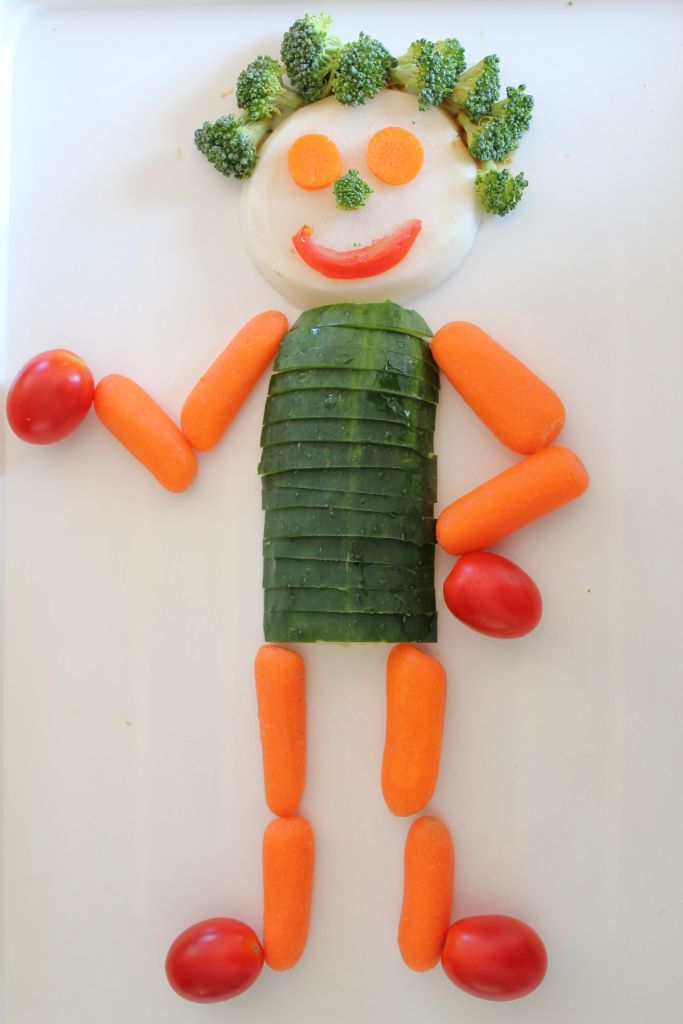
Figure 3 – Retrieved from https://lmld.org/food-art-ideas/
There are great ways to change up how you make and serve vegetables.
- Roast or grill them instead of steaming them or vice versa.
- Serve with a dip, like salsa, ranch, or hummus.
- Add freshly chopped herbs.
- Toss veggies onto a pizza, in pasta sauce, in a smoothie, or with a soup.
- Serve them raw or still frozen. My children eat frozen peas like candy but won’t eat them cooked.
- Make art out of vegetables. Cut them into fun shapes like stars and hearts.
- Watch videos together about cooking with kids.
The list could go on forever, but you get the point. If your children think of vegetables as something to explore, they are more likely to keep trying them in different ways.
Consistently offering vegetables to kids is half the battle. Aim to provide vegetables as part of all snacks, lunches, and dinners so that kids get used to seeing them. Some studies suggest that serving vegetables for breakfast may be the best way to ensure your children get all their servings (McLeod et al., 2022). Ten points to Gryffindor if you can sneak vegetables into your kid’s morning meal.
Try this today: Let your kids play with their food at dinner by making the vegetables into a picture of themselves.
4. Grow Your Own Vegetables
Key Takeaway – Kids who participate in growing food are more likely to eat that food.
Have you ever noticed that vegetables straight from the garden taste better than vegetables from the store? When I was a kid, I looked forward to the season when I could sit in the dirt and eat green beans right off the plant. Did I like green beans when they were served at dinner? Nope. But I lived for beans still warm from the sun. Don’t have space for a garden? No problem! Community and school gardens are a great resource to teach children how to grow and harvest their own produce. Alternatively, you could try growing a simple (and mostly unkillable) mint plant on your kitchen counter. Understanding how food is grown can significantly influence children’s vegetable consumption (Kim & Park, 2020). As we learned above, when kids feel comfortable with their vegetables, they are more likely to eat them. What better way to get to know your vegetables than to coax them into life and nurture them as they grow? To maximize the healthy eating impacts of having a garden, some schools combine gardening with nutrition education about the health benefits of what is being grown and how to prepare it when it is ripe (Chan et al., 2022).
If you don’t want to dig around in the dirt, several virtual resources offer similar information and experiences. Check out Kids Do: Gardening for gardening education and activities. If these activities aren’t your speed, check out the Sprouts Farmers Market School Garden video on YouTube or the Waffles and Mochi website with the corresponding show on Netflix. All of these are excellent and accessible resources.
Try this today: Pick one vegetable you plan to serve your kids and look up a photo of the plant it grew on.

Figure 4 – Retrieved from https://creativemarket.com/
5. Eat Vegetables Yourself
Key Takeaway: You need to show your kids that you enjoy vegetables before they will eat them.
Your most important job and predictor of success is to eat vegetables yourself. Kids act in ways that parents model. If you eat vegetables, your kids will learn that vegetables are part of a regular diet. It is a balance though – being too strict with vegetables can also backfire. Requiring a child to finish their vegetables before being able to have dessert sends the message that vegetables are an unpleasant thing to get through before the sweet reward. Experts recommend asking kids to take one bite of everything before being able to say they don’t like it (Neighmon, 2013). This also allows children to choose how much they eat. When given the freedom to make their own choices, they will often choose to eat their vegetables. However, when forced, kids often refuse to eat anything. This is much more likely if they see their parents enjoying vegetables. You can only control what foods you offer your kids, not what they eat. So, be the patient, carrot-eating, lettuce-loving role model your kid needs.
Try this today: Eat vegetables in front of your child and make sure they see you.
Bottom Line
Do what you can to make vegetables feel commonplace in your home. Act like a taste explorer, trying vegetables in different ways. Consistently offer vegetables whenever possible. Make sure your kids see you eating your vegetables, too.
Easy peasy, right?
You’ve got this; I believe in you. Take a deep breath and roast some broccoli. It really is delicious.

Figure 5 – Retrieved from https://giphy.com/search/healthy-gif/
References
Broad, J., Forbes, L., Darlington, G., Ma, D. W. L., & Haines, J. (2021). Child involvement in meal preparation and grocery shopping is associated with lower levels of food fussiness among young children. Applied Physiology, Nutrition, and Metabolism, 46(12), 1559–1562. https://doi.org/10.1139/apnm-2021-0390
Chan, C.O., Tan, P. Y., & Gong, Y. Y. (2022). Evaluating the impacts of school garden-based programmes on diet and nutrition-related knowledge, attitudes and practices among the school children: a systematic review. BMC Public Health, 22(1), 1–1251. https://doi.org/10.1186/s12889-022-13587-x
E., & A. (2021, November 20). 25 Food Art Ideas (To Get your Kids to Eat their Fruits and Vegetables). Like Mother Like Daughter. Retrieved February 8, 2023, from https://lmld.org/food-art-ideas/
Garcia, A.L., Brown, E., Goodale, T., McLachlan, M., & Parrett, A. (2020). A Nursery-Based Cooking Skills Programme with Parents and Children Reduced Food Fussiness and Increased Willingness to Try Vegetables: A Quasi-Experimental Study. Nutrients, 12(9), 2623–. https://doi.org/10.3390/nu12092623
Kim, S.O., & Park, S.-A. (2020). Garden-Based Integrated Intervention for Improving Children’s Eating Behavior for Vegetables. International Journal of Environmental Research and Public Health, 17(4), 1257–. https://doi.org/10.3390/ijerph17041257
McLeod, C.J., Haycraft, E., & Daley, A. J. (2022). Would offering vegetables to children for breakfast increase their total daily vegetable intake? Public Health Nutrition, 25(12), 3312–3316. https://doi.org/10.1017/S1368980022002002
(n.d.). Kids Do: Gardening. Kids Do: Gardening. Retrieved February 8, 2023, from https://www.kidsdogardening.com/
(n.d.). Waffles + Mochi. Share The Love. Retrieved February 8, 2023, from https://www.wafflesandmochi.org/
Neighmon, P. (2013, March 4). Selling Kids On Veggies When Rules Like ‘Clean Your Plate’ Fail. The Salt. Retrieved February 8, 2023, from https://www.npr.org/sections/thesalt/2013/03/04/173275456/selling-kids-on-veggies-when-rules-like-clean-your-plate-fail
Oregon State University (n.d.). Food Hero Cooking Show. FoodHero.org. Retrieved February 8, 2023, from https://www.foodhero.org/food-hero-cooking-show
Ritchie, B., & Taylor, L. O. J. (2015). “Kids in the Kitchen” impact evaluation: engaging primary school students in preparing fruit and vegetables for their own consumption. Health Promotion Journal of Australia, 26(2), 146–. https://doi.org/10.1071/HE14074
Sprout Farmers Market (2021, April 23). Growing School Gardens Virtual Tour – FULL TOUR. YouTube. Retrieved February 8, 2023, from https://www.youtube.com/watch?v=D2Ku0IEv5dw
University of Illinois Extension (n.d.). Cooking With Children. Illinois Extension. Retrieved February 8, 2023, from https://extension.illinois.edu/sites/default/files/cooking_with_children.pdf
USDA (n.d.). Kids In The Kitchen. Nutrition.gov. Retrieved February 8, 2023, from https://www.nutrition.gov/topics/nutrition-life-stage/children/kids-kitchen
 Nice to meet you!